
As people plan for the next chapter of life, many seniors and families begin exploring different senior living options. One of the most popular and often misunderstood choices is independent living, often motivated by a desire for community, connection, or a maintenance-free lifestyle. This guide explains what independent living is, who it’s for, and how it fits into long-term retirement planning.
Whether you’re an older adult considering a lifestyle change or a family member helping a loved one weigh options, understanding independent living can help you make a confident, informed decision. Independent living communities are designed to support the abilities of older adults, helping them maximize their strengths and maintain independence.
What Is Independent Living?
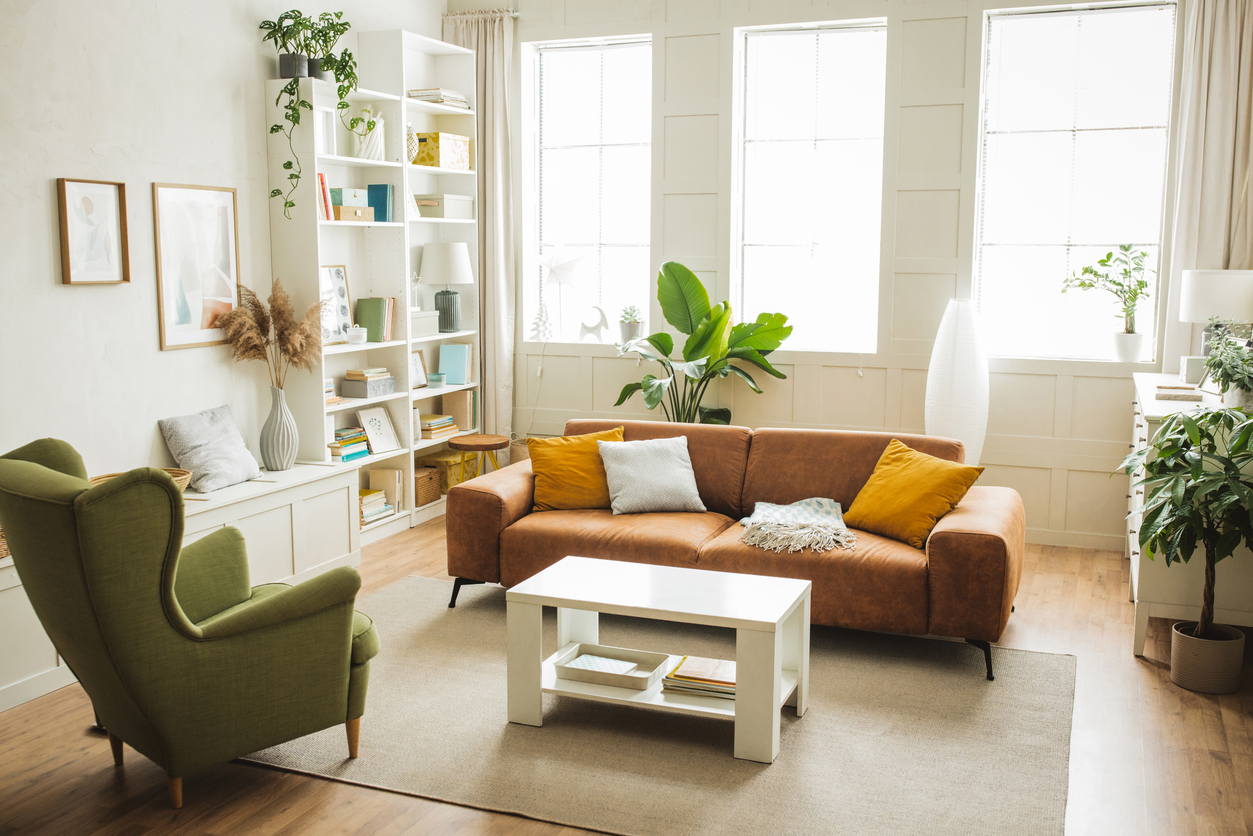
Independent living is a type of senior housing designed for older adults who are able to live on their own but want the convenience, social connection, and security of a community setting. These communities are often part of larger retirement communities and focus on comfort, maintenance-free living, and an active lifestyle. The typical resident is an active adult seeking a vibrant, engaging environment with fewer responsibilities and access to amenities.
Residents typically live in private apartments or cottages and enjoy access to shared amenities, activities, and services—without the medical care associated with assisted living or nursing homes. People living in independent living communities benefit from daily experiences that support their independence, social engagement, and overall well-being.
Independent living is ideal for active seniors who don’t need daily personal care but want fewer responsibilities and more opportunities to stay engaged.
Who Is Independent Living Right For?
Independent living may be a great fit for older adults who:
- Are generally healthy and mobile
- Want to downsize from a family home
- Prefer not to worry about home maintenance or yard work
- Enjoy socializing and participating in community activities with other older adults
- Want a safe environment with support available if needed
For many, independent living supports a version of aging in place—allowing seniors to remain independent while having access to services and future care options if needs change. These communities also encourage residents to pursue their personal interests, hobbies, and routines, offering engaging activities tailored to individual passions and social interests.
What’s Included in Independent Living Communities?
Independent living communities are designed to offer a range of amenities and services that support an active, maintenance-free lifestyle for seniors. The common types of amenities and services found in independent living communities are tailored to promote convenience, social engagement, and well-being.
Among the most common types of housing or services offered in independent living are apartment-style residences, cottages, and a variety of on-site activities.
While offerings vary, most independent living communities provide:
Private Living Spaces
Residents enjoy their own private living spaces in the form of apartments, cottages, or villas, complete with kitchens, bathrooms, and living areas designed for senior comfort and accessibility.
Maintenance-Free Living
Services often include:
- Home and apartment maintenance
- Landscaping and snow removal
Social and Recreational Activities

Independent living emphasizes connection and engagement through:
- Fitness classes and wellness programs
- Clubs, hobbies, and lifelong learning opportunities
- Group outings and events
Forming meaningful relationships with peers is a key benefit of independent living communities, helping residents stay socially connected and reducing feelings of loneliness. Neighbors play an important role in fostering a sense of community and support, making the environment vibrant and welcoming. Residents often offer a helping hand to one another, providing reassurance and promoting independence while ensuring everyone feels supported.
These opportunities are a major draw for active seniors who want to stay socially and mentally engaged.
Independent Living vs. Other Senior Living Options

Understanding how independent living compares to other senior living options can help families choose the right fit.
- Independent Living: For seniors who are self-sufficient and want a community lifestyle, including those who value autonomy and wish to maintain independence regardless of disability.
- Supportive Living: Offers a la carte services as residents need or desire them. This allows seniors to remain in an independent setting while paying only for the specific support services—such as meal delivery, laundry, or personal care—that they require.
- Assisted Living: Includes help with daily tasks like bathing or medication management. Staff are available to assist residents with disabilities or chronic health conditions, supporting their independence and well-being.
- Memory Care: Designed for individuals with Alzheimer’s or other forms of dementia.
- Skilled Nursing: Provides 24/7 medical care and rehabilitation. Healthcare professionals assist residents with disabilities or complex medical needs, helping with daily living activities and recovery.
Many retirement communities offer multiple levels of care on one campus, allowing residents to transition smoothly if their needs or abilities change over time. Sometimes, these changes can happen unexpectedly, such as a sudden illness or fall, making it important to have a continuum of care in place.
Benefits of Independent Living for Seniors and Families
Independent living offers advantages for both seniors and their loved ones:
- Freedom and independence without household stress
- Built-in social connections that reduce isolation
- Peace of mind for families knowing support is nearby
- Predictable costs compared to homeownership
- Long-term planning that supports aging in place
For families, independent living can ease worry while still respecting a loved one’s independence and lifestyle preferences.
Aging in Place
Aging in place is a popular choice for many older adults who wish to remain in their current home or community as they age. This approach allows seniors to maintain their independence, stay close to family members and friends, and continue participating in the community life they know and love. For many, the comfort of familiar surroundings and the ability to live life on their own terms are key reasons to choose aging in place.
However, as needs change with age, accessing daily living support and managing health can become more challenging. That’s where senior living options like life plan communities and senior living communities come in. These communities are designed to help older adults age in place by offering a wide range of services—such as assisted living, memory care, and home care—right within the community. This means seniors can receive the support they need, whether it’s help with daily tasks or specialized care, without having to leave their current home or move far from loved ones.
By planning ahead and choosing a community that offers flexible services and support, seniors can enjoy a high quality of life, maintain their independence, and stay connected to family, friends, and the activities they enjoy most.
Caregiving and Support

Caregiving and support are essential for helping older adults maintain their independence and quality of life as they age. Many seniors rely on family members and loved ones for help with daily living tasks, such as preparing meals, managing medications, or getting to appointments. While family caregivers play a vital role, professional support services are often needed to ensure seniors receive the comprehensive care they deserve.
Senior living communities, including life plan communities, are designed to provide a full spectrum of support services. These may include assisted living for those who need help with daily activities, memory care for individuals living with dementia, and home care services for those who wish to remain in their own residence. In addition, many communities offer resources for caregivers, such as support groups, educational programs, and respite care, giving family members the tools and assistance they need to care for their loved ones while also taking care of themselves.
By offering a variety of programs and resources, senior living communities help both older adults and their caregivers navigate the challenges of aging, ensuring that everyone involved has the support they need to enjoy life to the fullest.
Cost of Senior Living
Understanding the cost of senior living is an important part of planning for the future. The price of senior living communities can vary based on the type of housing, level of care, and range of services provided. For example, independent living communities are often more affordable than assisted living or skilled nursing facilities, as they focus on providing amenities and social opportunities rather than daily medical care.
Life plan communities, which offer multiple care levels on one campus, can be a smart choice for those seeking predictable costs and the flexibility to transition as needs change.
By carefully comparing the costs, benefits, and available resources of different senior living options, adults and their families can find a solution that fits their needs, lifestyle, and budget—ensuring peace of mind for the years ahead.
Importance of Research

Taking the time to research senior living communities is one of the most important steps in finding the right fit for yourself or a loved one. With so many options available, it’s essential to compare communities based on the quality of services, level of support, and overall sense of community they provide. Consider what matters most—whether it’s access to health and wellness programs, opportunities for social engagement, or the ability to maintain independence.
Visiting communities in person, reading reviews from current residents, and talking with staff can give you a true sense of what life is like in each community. Don’t hesitate to ask questions about care levels, amenities, costs, and the resources available to support individual needs. Online resources, such as industry association websites, can also provide valuable information and guidance throughout your search.
By conducting thorough research, older adults and their families can make informed decisions that support their health, happiness, and quality of life—ensuring a smooth transition to a new home and a vibrant, connected community.
How to Decide If Independent Living Is the Right Choice
When evaluating independent living, consider:
- Current and future health needs
- Desired level of independence
- Social preferences and lifestyle goals
- Budget and long-term financial planning
- Proximity to family, friends, and healthcare
Access to education and information is also crucial when making decisions about independent living, as it empowers individuals to make informed choices and supports ongoing self-determination.
Touring communities, asking questions, and talking openly as a family can help ensure everyone feels confident in the decision. Some independent living communities even offer educational programs or partnerships with local schools, providing lifelong learning opportunities and promoting social inclusion.
Final Thoughts
Independent living offers a balance of freedom, convenience, and community—making it an appealing option for many active seniors. By understanding how independent living fits within broader senior living options, families can make thoughtful decisions that support independence, connection, and quality of life. Independent living also helps residents stay connected to the world beyond their immediate community, fostering a sense of global connection and engagement.
If you’re beginning to explore retirement communities or planning for aging in place, independent living is often a smart and empowering next step.
FAQs: Independent Living for Seniors
What age is typical for independent living for seniors?
Most communities are designed for "active adults," with age requirements typically starting at 55+ or 62+. In 2026, we are seeing a rise in "solo agers" moving in earlier to take advantage of wellness programs and social clubs while they are still highly mobile.
Does independent living for seniors include medical care?
Generally, no. Independent living for seniors focuses on lifestyle and convenience. Residents are expected to manage their own medical needs. However, many modern 2026 communities offer "hybrid" models where you can hire third-party home care services or transition to assisted living on the same campus if your needs change.
Is independent living for seniors more affordable than staying at home?
When you factor in the "hidden costs" of homeownership—property taxes, HOA fees, yard maintenance, utilities, and major repairs—independent living for seniors often results in more predictable monthly expenses. Many families find that the all-inclusive monthly fee simplifies budgeting significantly.
Are pets allowed in independent living for seniors?
Yes! In 2026, the vast majority of communities are pet-friendly, recognizing that animal companionship is vital for emotional well-being. Some even offer specific amenities like on-site dog parks and "pet concierge" services.